Tech IT News Today: AI Data-Centre Boom (Nov 8, 2026)
Top story
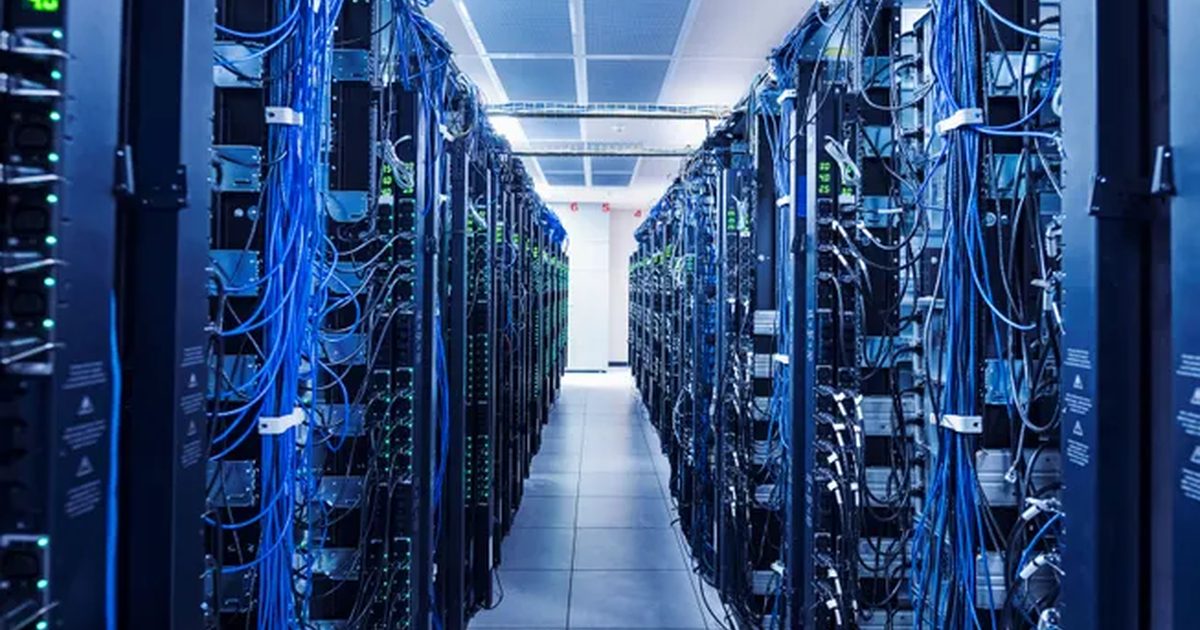
The biggest IT story this week is the continued surge in data-centre spending tied to AI infrastructure. In a report published on November 6, 2026, AMD CEO Lisa Su said she expects the company's AI data-centre business to more than double in 2027. On the Q3 earnings call she said demand plans had expanded and that revenue would "grow even faster than we projected 90 days ago." Wedbush analyst Matt Bryson, who keeps an Outperform rating and a $600 price target on AMD, summed it up: "Everyone needs compute." This matters because it signals that the build-out of AI computing infrastructure, which drives demand for chips, servers, networking gear and power systems, shows no sign of slowing. (Analyst price targets are opinions, not investment advice.)
Hardware
A November 5, 2026 TechTarget report looked at how AI spending is lifting an entire supply chain. AMD reported Q3 revenue of $13.4 billion (up 45% year over year), including a record $8.5 billion in its Data Center segment (up 97%). Arista's Q3 revenue was $3.66 billion, up 58.5%, and Supermicro's preliminary, unaudited fiscal Q1 2027 net sales reached $19.9 billion, against $5 billion a year earlier.
Qualcomm is the more cautious story. Its fiscal Q4 revenue fell 8% to $10.32 billion as handset-chip revenue dropped 26%, while its CEO reiterated a fiscal 2027 data-centre revenue target of $5 billion. That is a target, not current revenue. Stephen Sopko, semiconductor and deep-tech practice lead at HyperFrame Research, called the target credible as a ramp opportunity but flagged execution risks: staying on hyperscalers' roadmaps, demonstrating efficiency on real inference fleets, and building enough software and tooling. The takeaway for the hardware industry: demand is real, but turning ambition into revenue still means clearing tough technical and commercial hurdles.
Software
Microsoft is ending Copilot support on smart TVs. According to a November 7, 2026 BGR report, which cites an October 2026 announcement, LG and Samsung TVs with Copilot will stop supporting it by the end of 2026. BGR links the decision to user backlash over the assistant being intrusive and forcibly installed. The piece also notes that other AI assistants are being built into TV platforms, including Siri on Apple TV, Alexa+ on Amazon Fire TV and Gemini on Google TV, and argues that if Microsoft ever brings Copilot back to TVs, it could make the feature optional from the start.
Security and cloud
TechTarget reported on November 5, 2026 on "Greeter", a stealthy attack campaign aimed at unpatched, legacy deployments of Flowise, an open-source AI agent platform. It exploits CVE-2024-58351, a flaw in Flowise versions before 2.1.4 that lets attackers supply a JavaScript function through the overrideConfig parameter. Because the saved workflow stays unchanged, audits and chat logs show only greetings: in honeypots run by Era Security, all 4,972 recorded user messages read "hello", sent at 3.5-second intervals, while the server behind them returned environment details, process listings and credentials. The campaign's long-term goal is to reach cloud accounts by querying instance metadata services for temporary AWS or Google Cloud tokens, although Era did not observe a successful cross-account takeover.
Flowise itself is a cautionary tale. Workday acquired the project in August 2025 and says it retired the platform on August 31, 2026: enterprise customers were migrated off, remaining users self-host, and the source code stays available but without official support. Shodan scans found 4,372 publicly visible Flowise instances, and of the 3,277 that reported a version, 703 had no authentication. Sysdig's Crystal Morin recommended runtime monitoring (for example eBPF and Falco) plus policies that block shell spawns and traffic to cloud metadata addresses.
Separately, this week's ThreatsDay roundup from The Hacker News covered a remote-code-execution flaw in Apache OFBiz, a DreamHost breach and hijacked DeFi websites, along with 17 more stories. It also cited the UK's National Cyber Security Centre (NCSC), which said that wider access to AI-powered cyber tools has "almost certainly" led to a significant increase in discovered zero-day vulnerabilities. The NCSC added that defensive AI tools have shortened the time from zero-day to n-day and sped up patching, but many systems stay exposed unless these tools are configured correctly and widely.
What it means
AMD's own outlook points to strong data-centre demand into 2027, and the broader supply chain of networking, servers and power equipment is feeling the ripple effects. At the same time, the Greeter campaign and the NCSC's comments show the security side of the AI boom: unsupported or forgotten AI tools running in the cloud are attractive targets. If your organisation uses open-source AI platforms, check whether any of them are still running without vendor support or patches.
Questions
Why is AMD's 2027 outlook significant for IT buyers?
AMD CEO Lisa Su said the company's AI data-centre business is expected to more than double in 2027, and that demand plans had expanded since the previous quarter. That suggests sustained high demand for data-centre chips across the industry.
What is the Greeter exploit framework?
Greeter is a stealthy campaign, reported by TechTarget on November 5, 2026, that targets unpatched legacy Flowise AI-agent servers (CVE-2024-58351) and hides behind repetitive "hello" messages in logs. Its long-term aim is to steal cloud credentials, but researchers did not observe a successful cloud-account takeover.
Is Qualcomm's $5 billion data-centre target realistic?
Analyst Stephen Sopko of HyperFrame Research called the fiscal 2027 target credible as a ramp opportunity, but noted execution risks such as staying on hyperscaler roadmaps, proving efficiency on real inference workloads and building enough software. It is a target, not current revenue.
Why is Microsoft ending Copilot on smart TVs?
According to BGR (November 7, 2026), LG and Samsung TVs will stop supporting Copilot by the end of 2026. The report links the move to user backlash over the assistant being intrusive and forcibly installed.
Sources
- ThreatsDay: Apache OFBiz RCE, DreamHost Breach, DeFi Site Hijacks + 17 More Stories
- AI spending lifts chip, networking, server and power suppliers | TechTarget
- 'Everyone Needs Compute': Lisa Su Sees AMD's AI Data Center Business More Than Doubling in 2027 as Wedbush Backs $600 Target
- Greeter exploit framework hides cloud theft on AI servers | TechTarget
- There's One Less AI Assistant Invading Your TV After Microsoft's Change
More in IT
- Tech IT News Roundup: Selloff & Zyxel Zero-Day (Nov 6, 2026)
- IT News: cPanel Zero-Day Lessons and AWS Continuum GA
- Working in Many Google Sheets at Once on Windows
- Google Sheets on Windows: is there a desktop app?