Power Electronics News: GaN Fab Opens (Nov 4, 2026)
Top story
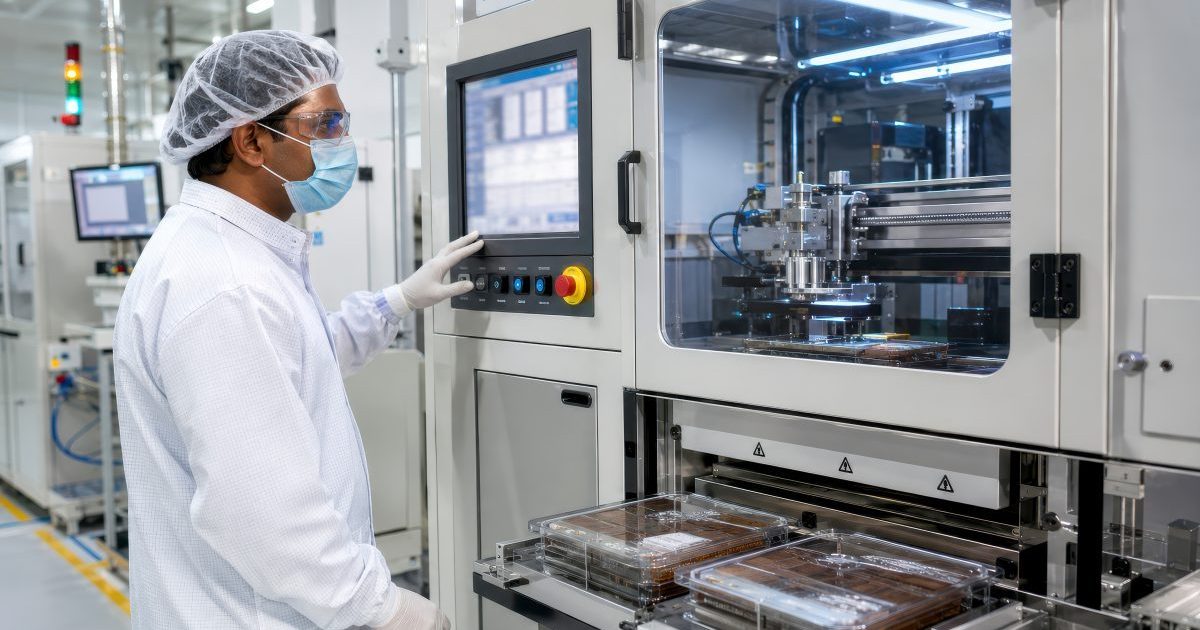
Infineon Technologies announced on November 3, 2026 that it is building the world's first high-volume manufacturing facility for next-generation gallium nitride (GaN) power semiconductors on 300-millimeter wafers, located in Austria. GaN chips switch electricity far more efficiently than older silicon parts, so they matter for anything that needs compact, cool-running power conversion: AI data centers, renewable-energy equipment, electric vehicles and robotics. Moving GaN production to larger 300mm wafers in Europe is meant to push down costs and shrink dependence on a handful of overseas suppliers, which has been a recurring worry for electronics makers everywhere.
Components and chips
German engineering giant Bosch said on November 4, 2026 that it will set up a dedicated semiconductor division in 2028, with a strong focus on silicon carbide (SiC) chips. SiC, like GaN, is prized for handling high voltages and temperatures with lower switching losses than ordinary silicon, which translates into smaller, more efficient power converters and electric drive systems. Bosch's move signals that major component manufacturers see power semiconductors as a long-term growth area rather than a passing trend tied to any single product category.
Meanwhile, Qnity Electronics is due to report third-quarter earnings, according to a November 2, 2026 preview. The company supplies consumables and specialty chemistry used in chip fabrication, and analysts expect its Semiconductor Technologies segment to show steady growth thanks to stronger factory utilization and rising material content needed for advanced manufacturing nodes. It's a reminder that the chip industry isn't just about the chips themselves — the chemicals, gases and materials behind the scenes are a sizeable and growing business of their own.
Industry
A November 3, 2026 EE Times report looked at whether smaller outsourced semiconductor assembly and test (OSAT) companies can carve out a place in India's fast-growing chip-packaging ambitions. India has been courting investment to build up its domestic semiconductor packaging capability, and the piece examines whether smaller, specialized players — rather than only the largest global firms — have room to compete as that ecosystem takes shape. This matters for the broader electronics supply chain: more packaging capacity outside the traditional East Asian hubs could eventually mean shorter, more resilient routes for chips used in everything from sensors to power modules.
Why it matters
Taken together, today's stories point to the same underlying theme: the electronics industry is investing heavily in next-generation power semiconductors (GaN and SiC) and in diversifying where chips get made and packaged. For consumers, that doesn't mean new gadgets tomorrow, but it does mean the building blocks for more efficient chargers, EV drivetrains, data-center power supplies and industrial equipment are being laid right now in Europe and Asia. For the industry itself, it's a sign that supply-chain resilience and material efficiency remain top priorities even as attention elsewhere focuses on chips for computing and AI.
There were no gadget launches, new wearables, or maker-board announcements in today's electronics news — the day's developments were concentrated in the power semiconductor and chip-manufacturing supply chain instead.
Questions
What is GaN and why does Infineon's new fab matter?
Gallium nitride (GaN) is a power semiconductor material that switches electricity more efficiently than silicon. Infineon's new 300mm GaN fab in Austria aims to make these efficient chips in higher volumes for EVs, data centers and renewable energy gear.
What is silicon carbide (SiC) used for?
SiC power chips handle high voltages and temperatures with lower switching losses than standard silicon, making them useful in power converters and electric drive systems. Bosch is building a new division around this technology, launching in 2028.
Why does India's chip packaging capacity matter for electronics buyers?
Expanding OSAT (assembly and test) capacity outside traditional hubs could diversify the global chip supply chain, potentially making production of sensors, power chips and other components more resilient to disruptions.
Sources
- Infineon Establishes Manufacturing Facility for GaN Semiconductors
- Bosch to Establish Semiconductor Division in 2028 and Expand
- Qnity Electronics to Report Q3 Earnings: Is a Beat in Store? — TradingView News
- Can Small OSATs Compete in India's Chip Boom? - EE Times
More in Electronics
- Electronics News Today: Chip Drawdowns, Imec Deal (Nov 2, 2026)
- Memory Price Shock Hits Electronics (Nov 1, 2026)
- Electronics News Today: Chip Shortage Hits (Oct 30, 2026)
- Chip News Today: Auto Chip Fears, AI Rally (Oct 29, 2026)