Power Electronics News: Chip Boom Widens (Nov 17, 2026)
Top story
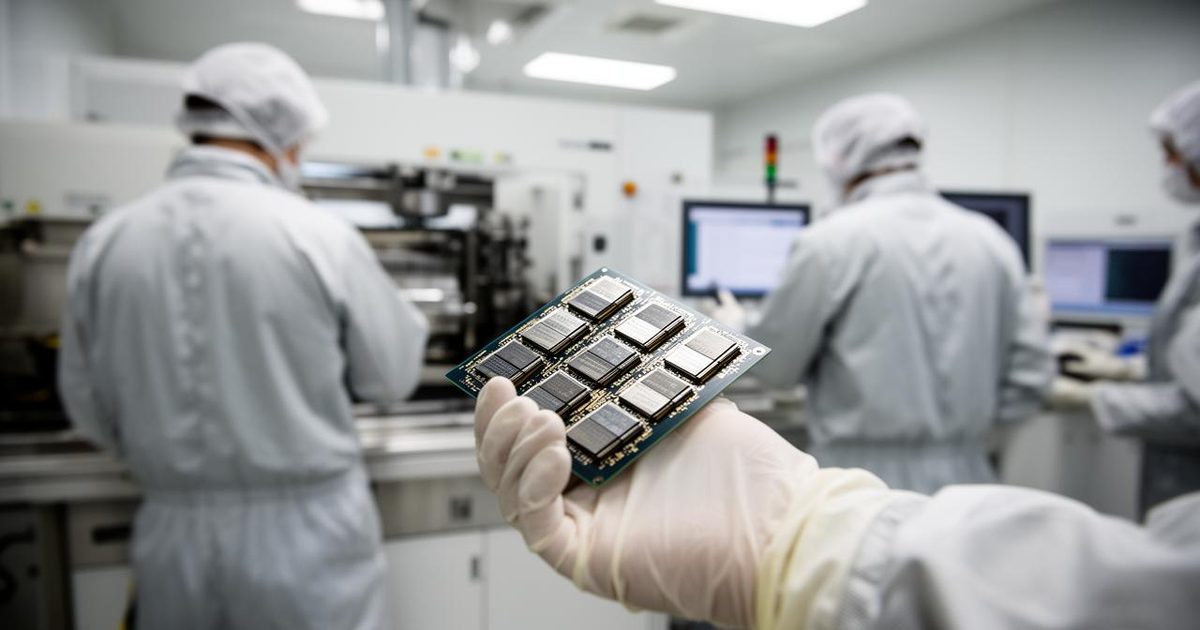
The biggest electronics story this week is not a single new gadget but a shift in where money is flowing inside the semiconductor supply chain. A report published on November 16, 2026 shows investors moving beyond Nvidia's GPUs into the component makers that support AI hardware: advanced packaging, high-bandwidth memory (HBM), optical communication parts, and power and cooling components. This matters because these are exactly the pieces that go into the power electronics, memory chips and sensors used across consumer and industrial devices. TSMC's CoWoS advanced-packaging capacity is expected to grow roughly tenfold over three years, which should ease one bottleneck. But HBM supply is expected to stay tight, since only three companies make it at scale — a shortage that keeps pressure on prices for anything that needs high-speed memory, from AI servers to advanced cameras and test equipment.
Components and chips
India's Kaynes Technology reported on November 16, 2026 that its semiconductor pipeline now covers more than two billion components, spanning power electronics and outsourced semiconductor assembly and test (OSAT) programmes. The company is moving further up the electronics value chain, and names Alpha & Omega Semiconductor, Infineon Technologies, L&T Semiconductor Technologies and Vishay among its key customer relationships. Why it matters: Kaynes is one of several contract manufacturers trying to capture business as chip and power-component demand diversifies away from a handful of giant suppliers. More capacity from firms like this could eventually mean steadier supply of power chips and sensors for everyday electronics, from chargers to smart-home gear.
Industry
A broader look at India's electronics sector, published November 15, 2026, paints a mixed picture. The country is accelerating investment in semiconductors, electronics manufacturing and AI-related hardware, but the roundup flags real friction: testing bottlenecks, rising manufacturing costs, workforce cuts at some plants, factory safety concerns, and delays on announced projects. This is a useful reality check against the headline-grabbing investment numbers — building a reliable chip and component supply chain takes more than capital, it needs testing capacity, skilled workers and safe, well-run factories. For buyers of electronics worldwide, these growing pains in a key manufacturing hub are worth watching, since delays or bottlenecks there can ripple into component availability and pricing elsewhere.
What this means for everyday electronics
None of this week's news involves a new phone, TV or wearable launch. Instead, it's about the plumbing behind the gadgets: who makes the power chips, memory and packaging that end up inside chargers, cameras, smart-home hubs and test gear. When packaging capacity expands tenfold but memory stays scarce, expect uneven effects — some components get cheaper and easier to source, while others, especially anything leaning on high-bandwidth memory, stay tight and pricier. And as manufacturing hubs like India scale up, hiccups in testing and workforce stability are the kind of slow-moving friction that eventually shows up as shipping delays or price bumps on finished electronics.
For now, the takeaway for anyone following the electronics industry is simple: watch the component layer, not just the big chip brands, because that's where supply and pricing for the next generation of devices is actually being decided.
Questions
Why is AI chip investment relevant to everyday electronics, not just servers?
Because the same advanced packaging, memory and power-component suppliers feeding AI hardware also supply chips used in cameras, smart-home devices, chargers and test equipment, so shortages or expansions there affect ordinary gadgets too.
What is HBM and why does its shortage matter?
High-bandwidth memory (HBM) is a fast memory type used in AI and high-performance hardware; only three companies mass-produce it, so demand has outpaced supply and the shortage is expected to persist.
What challenges is India facing in its semiconductor push?
Despite rising investment, India's electronics sector is dealing with testing bottlenecks, higher costs, workforce cuts, factory safety concerns and project delays, according to a November 2026 industry roundup.
Sources
- AI Chip Investment Fans Out From Nvidia's Dominance to Components and Manufacturing Networks
- Kaynes Technology Q2 Earnings: Semiconductor pipeline exceeds two billion components
- India roundup: India's tech ambitions accelerate as semiconductor bottlenecks and supply-chain risks mount
More in Electronics
- News Electronics: Chip Boom, NAND Slide (Nov 21, 2026)
- Electronics News Today: Bluetooth 7.0 (Nov 20, 2026)
- Electronics News: PCB Shortage Warning (Nov 19, 2026)
- Electronics News: TVs, Earbuds & Power (Nov 18, 2026)